Read this post on John’s Substack: Creative Frontiers.
The Monster
Cleveland “Clevie” Browne was hanging out at the Mixing Lab Recording Studio in Kingston, Jamaica, when something caught his eye. Always looking for interesting ways to “create new things,” he noticed a pair of timbale drums sitting in the corner.
He dragged them out, set them up, and asked his musical partner, Wycliffe “Steely” Johnson, to record while he “explored the studio space.”
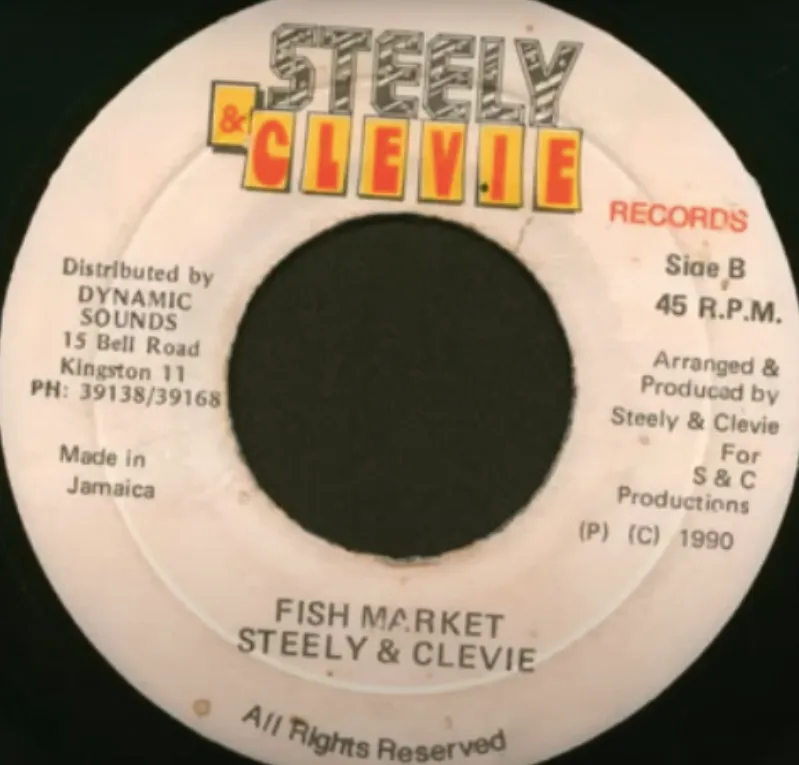
The result felt right for a track they had been working on called “Fish Market.” Today it’s more commonly known as the “Dembow” riddim, and you can hear its heartbeat in at least 1,800 different songs. Seriously.
Because of that staggering ubiquity, Clevie and the estate of Steely, who died in Kingston in 2009, are currently suing a laundry list of global music icons, including Bad Bunny, Justin Bieber, and Pitbull, for copyright infringement. Every single one of them, the lawsuit claims, built a hit on top of Clevie’s old timbales.
In court, Bad Bunny’s lawyers contested the claim of ownership. They called the Dembow riddim a “Frankenstein,” a beat stitched together from different artists’ separate tracks over the years. No single song, they argued, actually contains all the elements that Clevie and Steely are trying to fence off as their property.
It’s a clever legal defense, but it accidentally forces a much more dangerous question about music and ownership, and what happens when you try to cram a vibrant culture into a 250-year-old legal filing cabinet.
The Riddim
If you aren’t that familiar with reggae and dancehall music, it helps to understand the phenomenon of the “riddim.”
A riddim is essentially a disembodied groove. It’s an instrumental accompaniment, typically built around a heavy drum and bass pattern. But it’s released as just that, an independent foundation. The entire point of a riddim is for others to build on top of it. So, a single riddim might serve as the sonic chassis for dozens of different vocal tracks, each released as its own song.

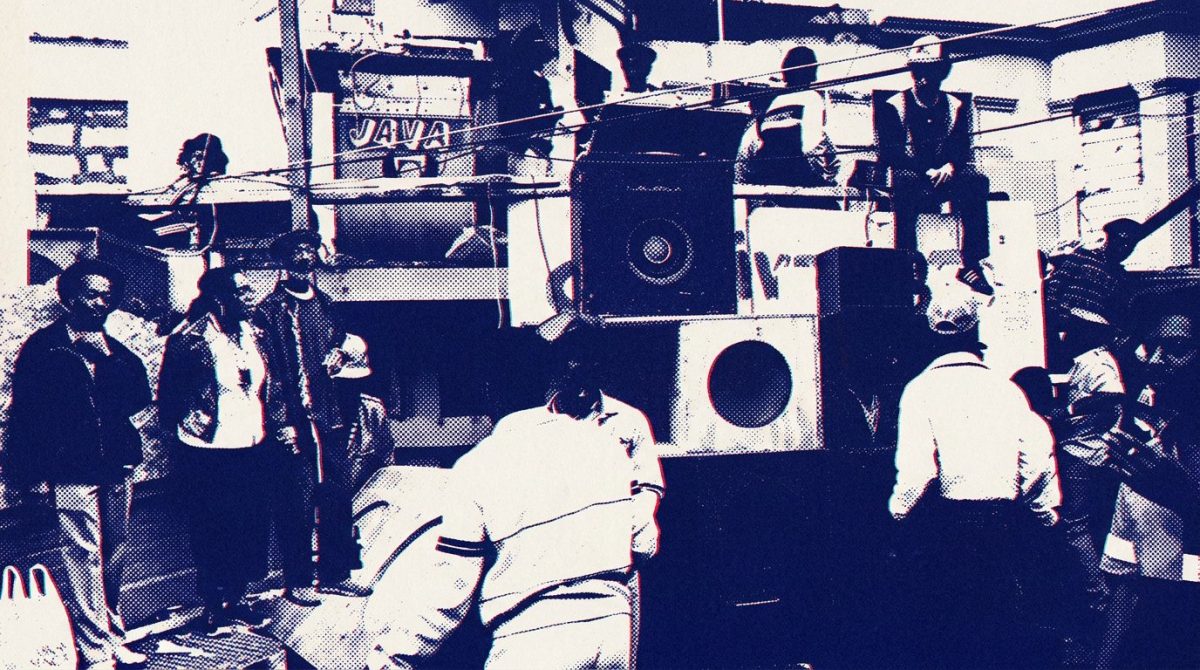
This communal approach to music making dates back to 1950s Jamaica, when the culture was rooted in outdoor sound systems rather than live bands. DJs would each spin the same tracks, and by the 1960s, they were shouting and toasting over them live. By the 1980s, this formula of a booming riddim paired with a fresh vocal overlay, had become a dominant form of Jamaican music. (It also migrated to the Bronx, where Jamaican immigrants like DJ Kool Herc used the same techniques to lay the foundation for global hip-hop.)
But, the crucial thing to understand is the autonomy of a riddim. Each was never meant to be a finished, walled-off product guarded by lawyers. It was an open-source seed meant to spawn a garden of variations.
And because Jamaica didn’t adopt formal copyright laws until 1993, this collaborative tradition evolved into a deeply entrenched way of life. So, when a fresh riddim would hit the streets in the 80s, it was grabbed, chopped, and adopted by countless artists, exactly as God and the DJs intended.
The Mutation
Clevie and Steely’s particular groove began its journey on the B-side of a 1990 track. It was a raw instrumental, driven by Clevie’s “old snare and kick drum,” layered with Steely’s synthesized flavor. And it was an instant hit, quickly licensed and laid down as the backbone for Shabba Ranks’ massive 1990 anthem, “Dem Bow.”
From there, the riddim became an unstoppable game of musical telephone.
It traveled to a studio in Long Island, where it was rebuilt by Jamaican musician Dennis “The Menace” Thompson. A Panamanian vocalist, Nando Boom, threw a Spanish translation over the top. Then, two NYC-based Jamaican DJs heard it, chopped it up, and recorded their own single over it, “Pounder.” And, they also released their instrumental version, the riddim, on the B-side.
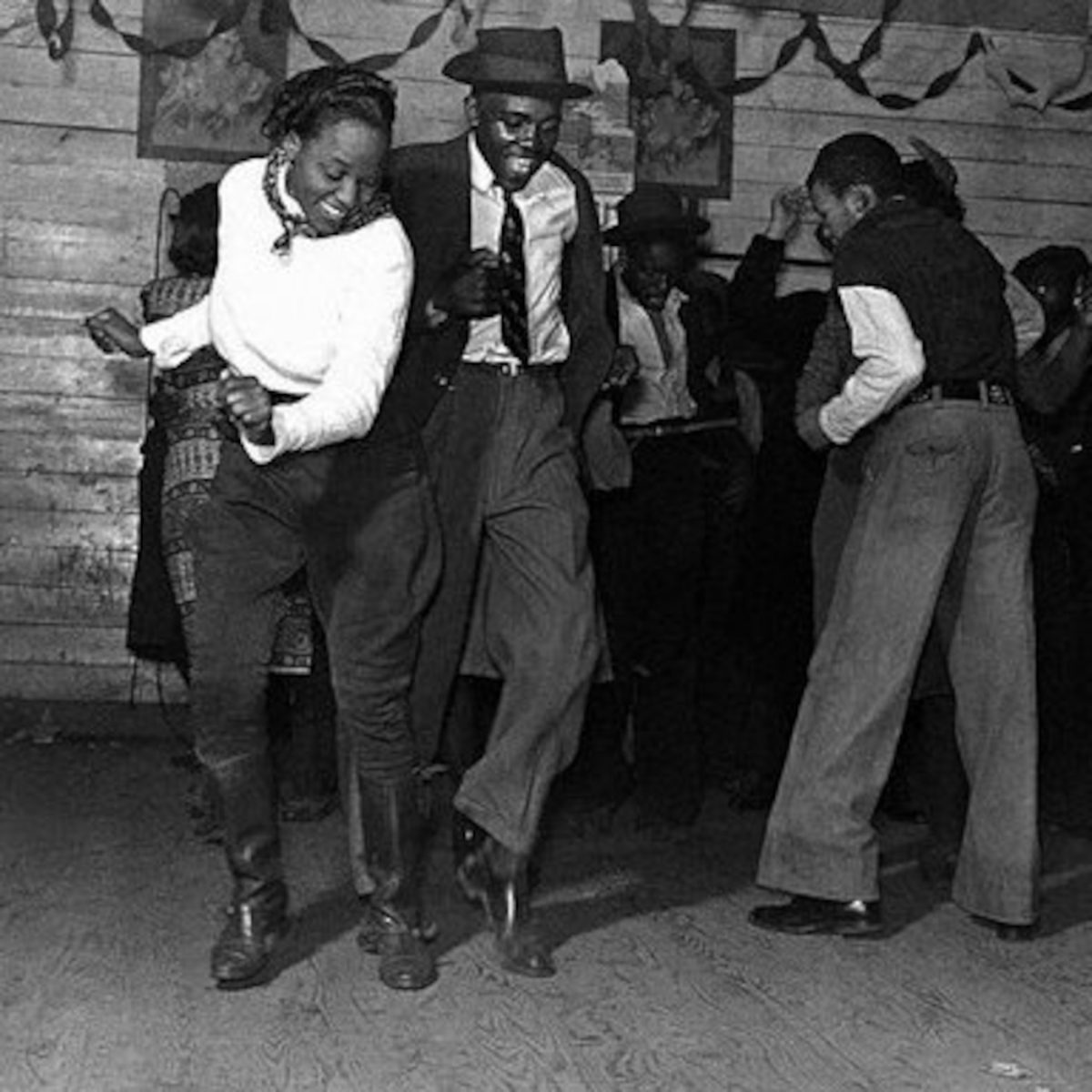
This mutated form of the riddim was now in the wild. Throughout the 90s, it was chopped up and laid down in song after song. In fact, it was so foundational that the entire genre became known as Dembow.
Then, traveling on dubbed cassettes and scratched CDs, the Dembow riddim finally made its way to Puerto Rico, where it became the instrumental bedrock for roughly three-quarters of all reggaeton music.
By 2004, reggaeton was debuting at No. 1 on the top Latin albums chart with Daddy Yankee’s Barrio Fino. Humming behind it all was the Dembow riddim that began in Clevie and Steely’s studio. And today, it sits underneath the catalog of Bad Bunny, the most streamed male artist in history.
The Disparity
The riddim that Clevie and Steely built in 1989 seeded a genre that today is one of the most commercially successful musical traditions on earth. At the helm is Bad Bunny, a man who literally charters Airbus A380 super-jumbo jets for global stadium tours. And along the way, the three major labels have collected hundreds of millions, if not billions, of dollars from the riddims of reggaeton.
Meanwhile Clevie, now in his late 60s, watches it all happen from a distance.
His lawsuit is understandable. You certainly can’t blame a guy for wanting a piece of the empire he helped build. Steely’s estate and Clevie have named over 150 artists who they claim “never sought or obtained a license, authorization, or consent” to use their music. We own the riddim, they argue, so pay up.
The U.S. District Judge on the case, Andre Birotte, isn’t so sure. Faced with musicologists firing highly technical volleys back and forth, he denied a judgment and is instead sending the whole mess to a jury.
Soon, a dozen ordinary citizens, people who probably just wanted to get out of jury duty to go to Applebee’s, will be left to determine the ontological nature of a groove.
The Mismatch
The defense argues that the Dembow riddim is a “Frankenstein” work, a composite constructed from separate expressions over years of mutation. There is no distinct, singular expression to copyright, they claim.
As a legal argument it lands, but it also exposes a much deeper, structural incongruity.
As the legal scholar Olufunmilayo Arewa has documented, there is a profound bias at the heart of U.S. copyright law. Copyright was built for literature, not music. You can write literature down with precision. But with music, ink and paper are tragically inadequate. Certainly, you can depict the basic notes of the melody and harmony on sheet music, but that misses the timbre, groove, and performance. And it is precisely those elements that sit at the core of the African and African-diaspora musical traditions.
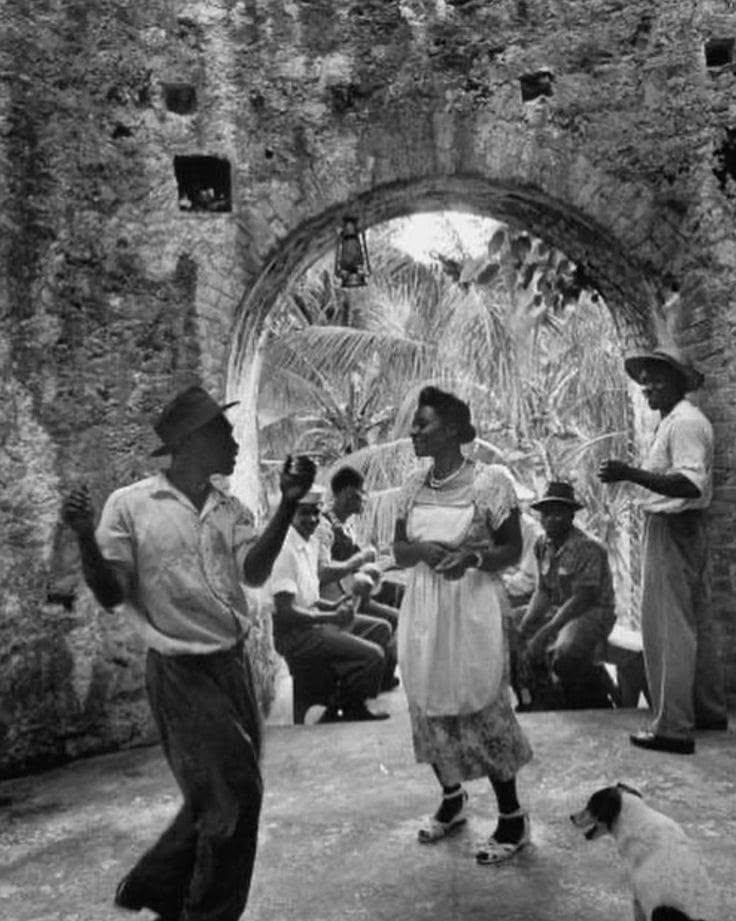
Compounding this, copyright crystallized during the Romantic era, when Western cultural elites were busy elevating classical music as the gold standard of authentic creativity. They sanctified the myth of individual genius and original expression, while vilifying “borrowing” as a lower art form.
The irony, of course, is that the classical tradition was built on borrowing. Bach did it frequently. Handel practically made it an Olympic sport. But, that history was sanitized, and borrowing became legally stigmatized as the stuff of “lower” music forms (blues, jazz, gospel, hip hop, reggae, dancehall). You know, the traditions built on borrowing as positive creativity and on performance and rhythm as originality.
So, while most of music is structurally communal, we are left with a copyright system obsessed with individual authorship and rooted in 18th century printed sheet music. It simply doesn’t fit.
Which brings us back to Frankenstein. The Dembow riddim is an assemblage because it was always meant to be an assemblage. It evolved through different hands, different studios, and different islands. Western copyright law primes us to hunt for a single author, but the riddim doesn’t have one. That’s not a flaw; that’s the design.
The Fence
None of this is Clevie’s fault. He built something truly remarkable, watched it spawn a billion-dollar global industry, and received almost nothing for it. His lawsuit is what justice looks like when the only instrument available is a giant, litigious fence.
But what would a legal victory actually mean?
It means that the next kid in Kingston, San Juan, or the Bronx who wants to build on the Dembow riddim, will have to pay up front. The raw materials of culture will only be available to those who can afford the licensing fees.
And so, the instrument of justice becomes an instrument of privilege and exclusion.
The jury hasn’t spoken yet. When they do, they won’t just decide who gets a royalty check for a groove recorded in 1989. They’ll decide whether there’s still a common space for emerging artists to explore, or if the gatekeepers have fenced off the beat.