Read on Creative Frontiers.
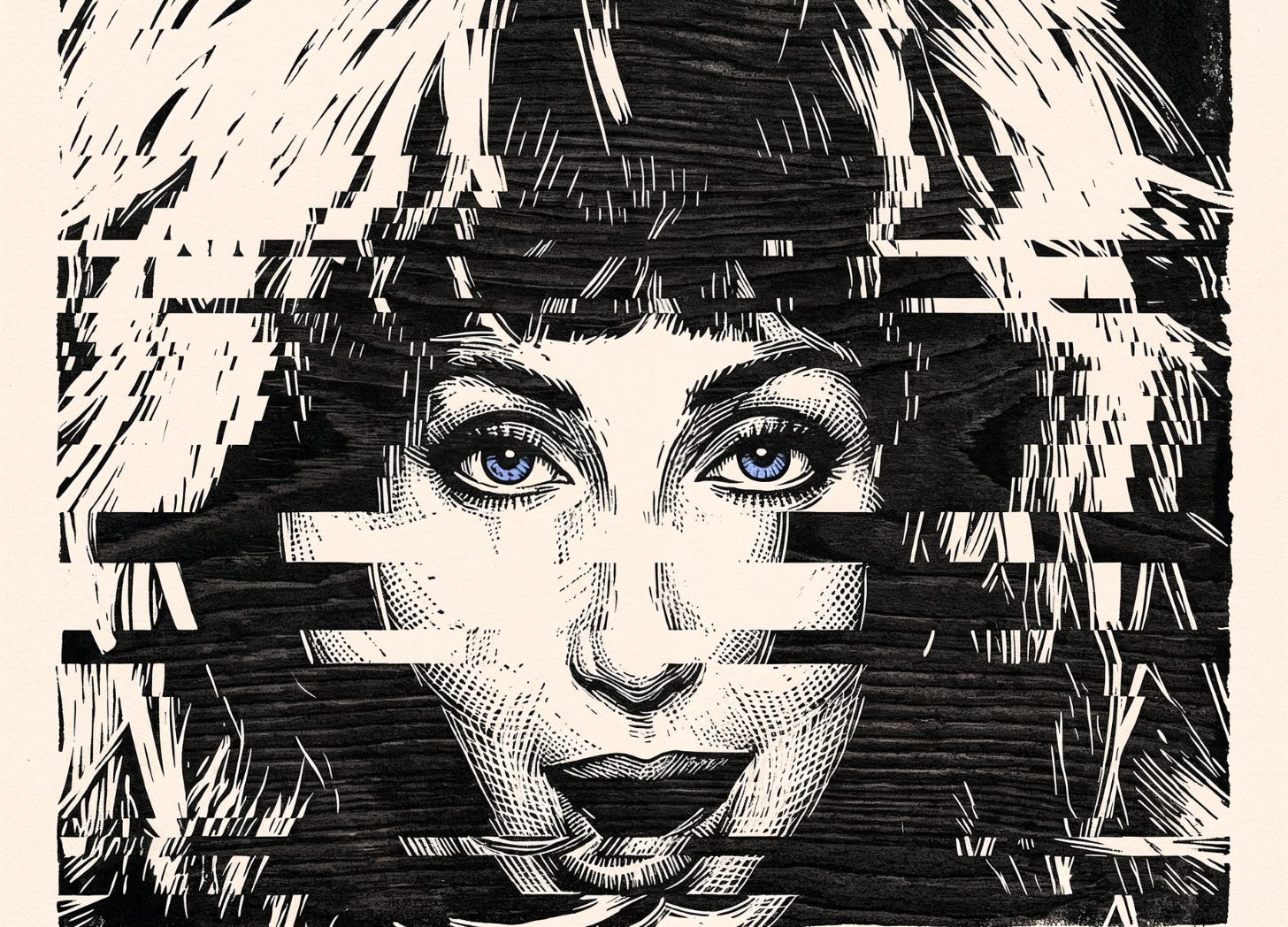
In 1999, Mark Taylor, co-producer of Cher’s global-mega hit, “Believe,” explained to Sound on Sound magazine how he created the now famous robo-glide on Cher’s voice. The account was elaborate: a Korg VC10 vocoder, a Digitech Talker, a Nord Rack, and some Cubase gymnastics. It sounded like a fire sale at Radio Shack.
It was also untrue.
The real method was very simple: a new plug-in invented by a flautist at Exxon, AutoTune.
So, why lie about it, months after the song had conquered the planet? Protecting your secret ingredient is one explanation. Another is cultural: in 1998-99, it could be a little taboo to admit you were friendly with AutoTune. Many producers were using it because it saved time, money, and singers’ vocal chords. But they didn’t tend to speak of it.
Before the plug-in era, “perfecting” a take required extensive manual labor. You coached vowels, recorded take after take, and then started cutting tape. Engineers spliced syllables with razor blades, created slapback to blur edges, and nudged tape speed. The introduction of Digital Audio Workstations (DAWs) made this process faster, but it was the same idea. Pitch correction was an exhaustive exercise in meticulously managing performances and creatively masking mistakes.
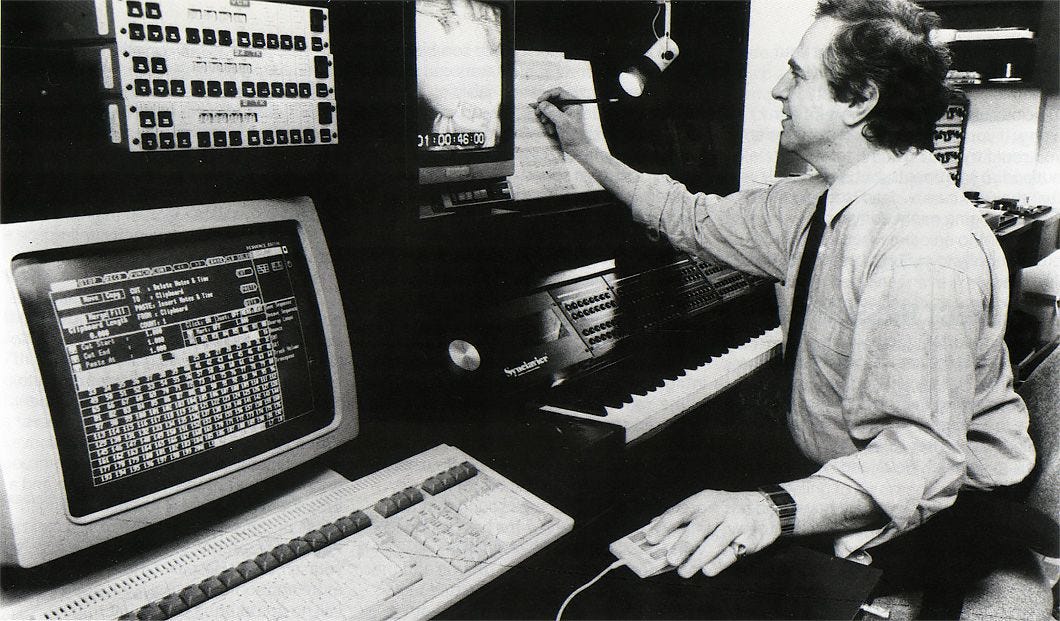
AutoTune dramatically trimmed the workflow. The pursuit of perfection got a lot cheaper.
Still hardly anyone mentioned it. It was like Nanna’s “from scratch” sauce… with a suspicious number of empty jars in the pantry. Everyone uses the shortcut; no one admits it. Why? Because plenty of folks would publicly denounce it as “cheating” and “dehumanizing,” and nobody wants to be the first heretic at the cookout.
So while publicly, AutoTune was a little taboo, privately it was just Tuesday in the studio. This mismatch is what Todd Rose calls a collective illusion: when most people privately believe one thing but wrongly believe that other people believe the opposite. The result is a public consensus that almost no one actually wants. People in the office schedule video meetings thinking that’s what everyone else prefers. They don’t.
“Believe” punctured the illusion. Once it was clear that AutoTune, not a vintage vocoder, was the real engine, the taboo began to fade. Artists began experimenting with it as an instrument, and the question changed from “do you use it” to “how do you use it?” Then a great singer, even without the effect, Faheem Rashad Najm began saturating his music with it. Soon, Faheem, better known as T-Pain, became the Johnny Appleseed of AutoTune, sprinkling it all across the land. For a stretch in 2007, he appeared in four songs in the Billboard Hot 100 top 10 at the same time. AutoTune was king.
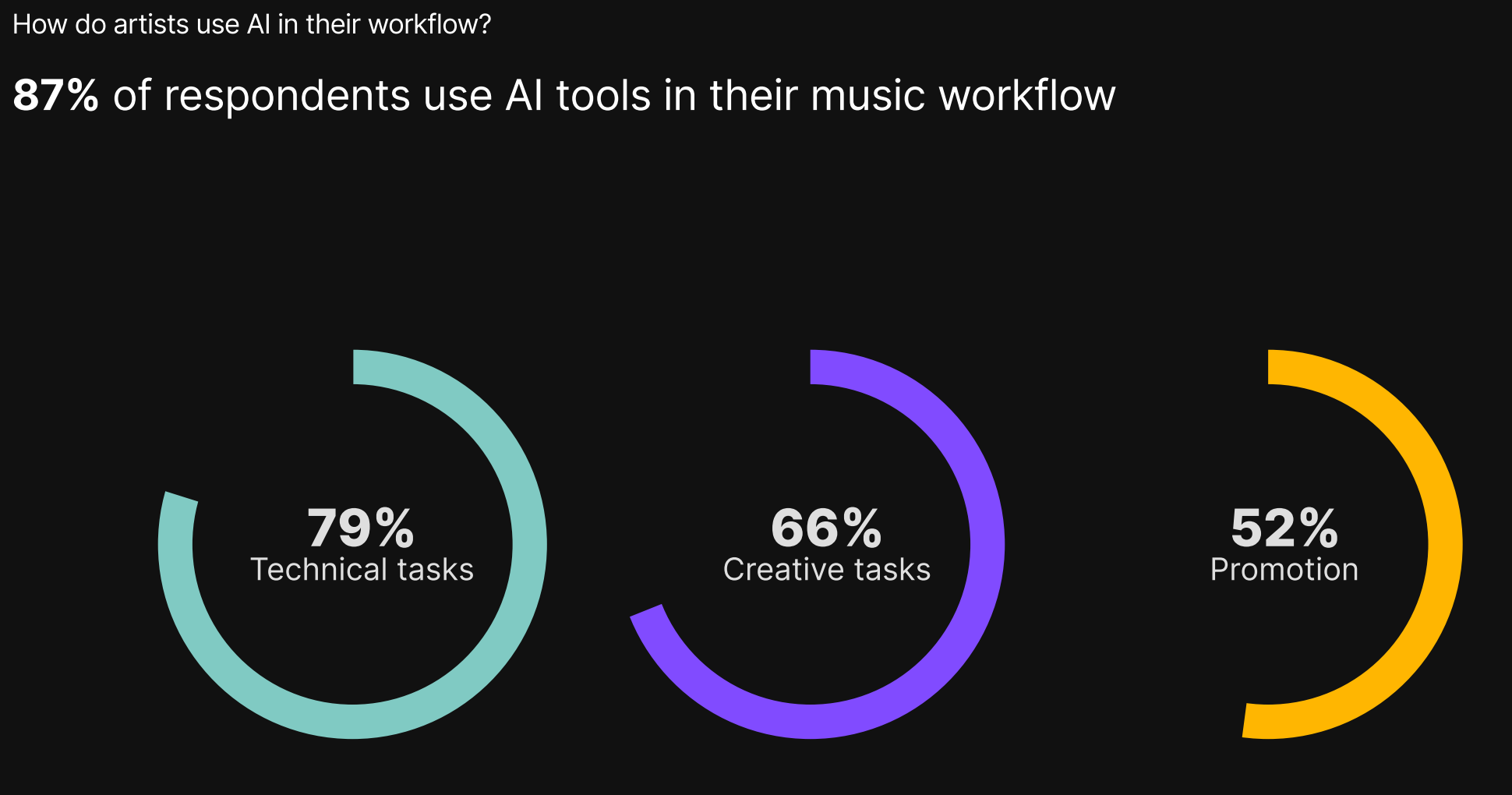
We are living through a similar dynamic today with AI in music. In the public square, many artists worry or insist that AI is the enemy. But the reality is quieter and more complicated: artists and producers are in the studios experimenting with a lyric assist here, sample generation there, stem separation, new melody suggestions, a prompt or two, and they’re finding that much of it is useful. A new survey by LANDR found that “87% of respondents use AI tools in their music workflow”. And nearly 30% are using AI song generators in their creative work.
In hushed tones, artists are asking: “Wait—are you prompting?” “Uh… maybe?” Then the grin: “Me too.”
If “Believe” has taught us anything, other than that you shouldn’t give up on topping the charts after age 50, it’s how collective illusions collapse. When gatekeepers and tastemakers normalize what’s already happening, the social penalties fueling self-censorship crumble and fact can overcome fiction. Once that happens, the story flips from “cheating” to “new instrument” and creators collaborate on innovation and new soundscapes, leaving behind the taboo.
Cher’s “Believe” didn’t just change the sound of pop, it helped make it acceptable to treat a weird new gadget as an instrument instead of a scandal. We need the same move with AI. As long as AI is cast as an evil monolith, artists will hesitate to share publicly how they are using it. But when trendsetters talk openly about their explorations and both the cons and the pros, then the taboo begins to crack. The collective illusion collapses, and conversations can shift from whether anyone is allowed to touch AI to how it can and should be used. Then artists can more meaningfully help shape the future of the tool. And with a tool this disruptive and empowering, we want the creators at the tables, not just the lawyers.