Read this post on John’s Substack: Creative Frontiers.
Opening Scene
He owned a small ironworks company and was preparing for an upcoming employee retreat. He was especially excited for the entertainment that he had arranged: himself… singing. Only one problem for his employees: he was a terrible singer.
But he had a secret weapon, local musician Daisuke Inoue, who frequently played his accompaniment at the local bar.
Inoue had a special talent on keyboards and the vibraphone. He could follow singers, adjusting the beat and even the key to match their “creative” renditions of familiar songs. But, he couldn’t make this particular trip.
So instead, he recorded himself and a few other musicians on a portable reel-to-reel tape machine. The business owner used the backing tracks, the show went on, and it worked.
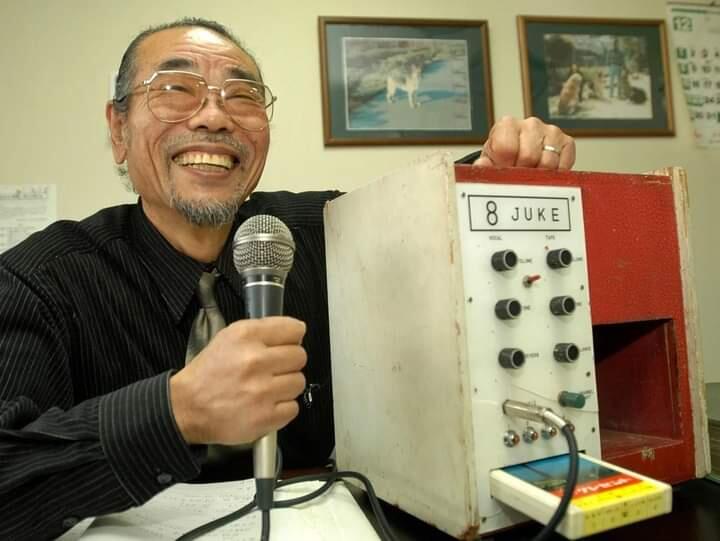
Daisuke Inoue had saved the day, and in the process had just replaced himself with a machine. But he didn’t stop there, soon he would create a device that would replace musicians across Japan. But Inoue’s karaoke machine would do something far more surprising: turn millions of ordinary listeners into performers.
The Substitution Section
For as long as humans have had voices, we’ve been singing. The trouble is that accompaniment can get expensive pretty quickly.
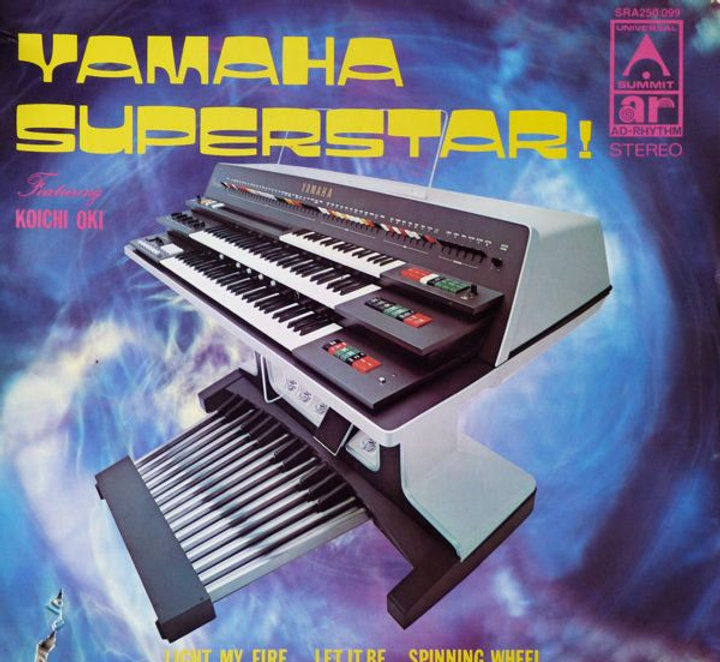
However, in postwar Japan, new technology was offering some help but with limitations. Yamaha’s “Electone” could sound like a one-man band, but you still needed someone to play it. Jukeboxes offered instant music, but the singers were already on the songs, and the key and tempo weren’t always amateur-friendly. Reel-to-reel tape allowed some Japanese nightclub owners to experiment with recording their pianists for customers to sing along, but selecting a song meant a lot of rewinding and fast-forwarding.
Inoue’s tapes for that local businessman suggested a better way. After seeing a car stereo jukebox that used the new 8-track loop tape format, he had an idea. He modified the tape so that a singer could immediately select one of four songs. This instant selection was the critical innovation. Instead of finding a musician, requesting a song, or hunting through a reel of tape, a customer could just choose a track and start singing.
The following year, in 1972, Inoue and his partners packaged the concept into their new device, the “8-Juke.” It included instantly selectable instrumental tracks in a more accessible key and tempo, a coin timer, microphone mixer, handwritten lyrics and, mercifully, reverb to massage some of the bad notes.
Competitors soon followed and by the mid-1970s even Japan’s major record labels were producing tracks for these karaoke machines. Now, at bars and clubs across Japan, more people were performing their favorite tunes. But at the same time, fewer musicians were needed to make it happen.
The Surprising Consequence
The word karaoke comes from the Japanese kara, meaning empty, and oke, short for okesutura, or orchestra. “Empty orchestra” was an appropriate name. The machine provided the accompaniment void of vocals and without the musicians on the stage or in the pit.
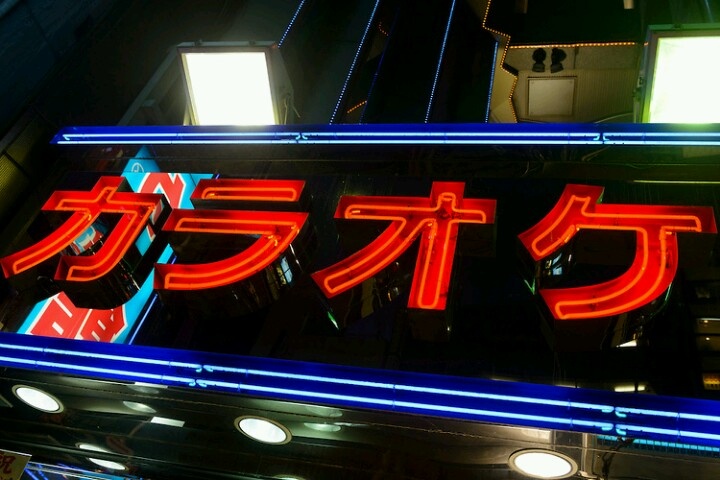
However, while the “empty orchestra” replaced some musicians, it dramatically expanded the number of people who could participate in music.
For one, it made performing easier. By changing the key and tempo of songs, a karaoke machine made them easier to sing. And the reverb provided an echo effect that blurred some mistakes, making the results slightly more tolerable for less-than-adoring fans in the room. The availability of lyrics also meant you didn’t have to memorize the song. And Inoue’s instant selection innovation kept the music moving.
Karaoke also made singing more accessible by transforming the performance spaces. One of the most striking additions in the 1980s was the karaoke boxes. They began as converted truck containers on the side of suburban roads. Inside was a private room, a karaoke machine, and enough seating for a group of friends. These were very different spaces from the bars and night clubs where alcohol boosted the confidence of businessmen to take the stage. In boxes, housewives, teenagers, families and elderly folks could all take a turn at the microphone.
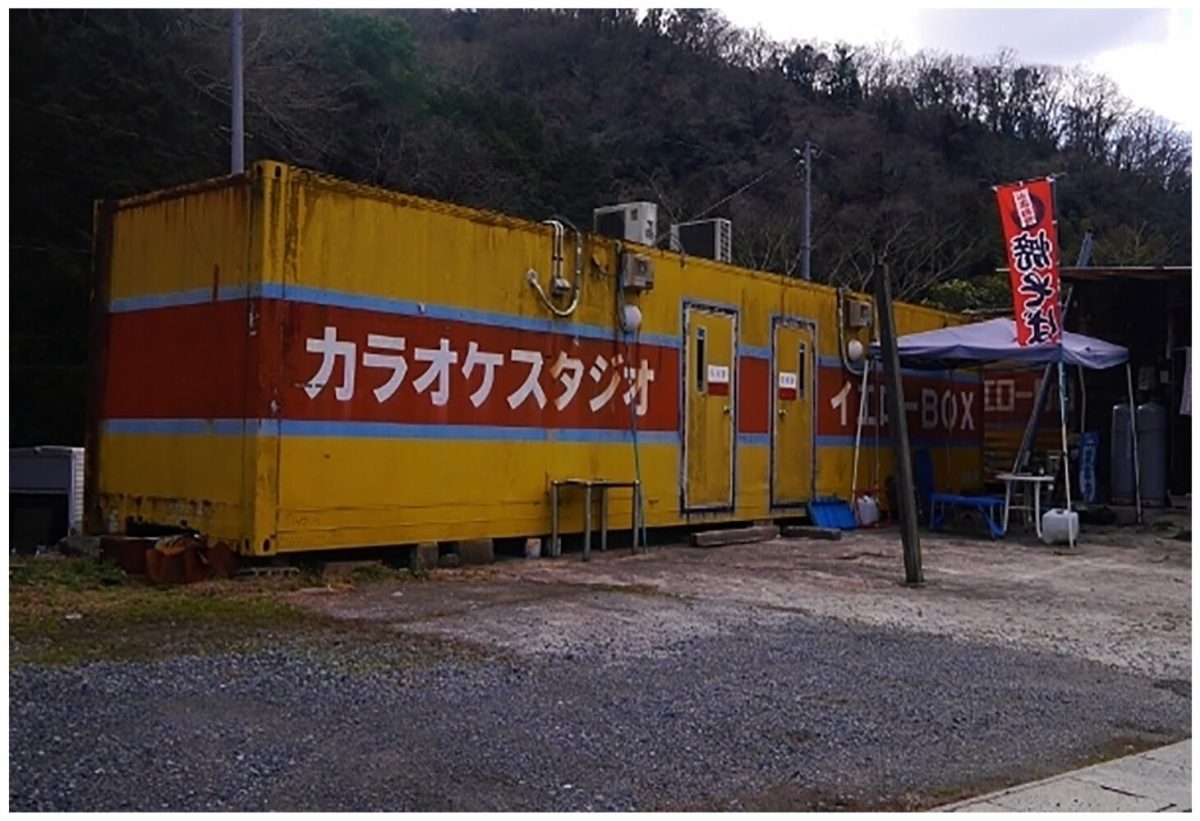
Eventually, karaoke’s popularity began shaping the music itself. A song’s popularity no longer depended only on whether it was good to listen to, but also whether it was good to sing. Songs popular in karaoke boxes often appeared high on the charts. Labels began including karaoke versions on CD singles, and producers such as Tetsuya Komuro created songs with karaoke in mind.
Thanks to the karaoke phenomenon, audiences were no longer just consuming music, they were performing it and helping shape the music itself.
Participation Changes
Daisuke Inoue’s Crescent Juke karaoke machine certainly made his life easier but maybe not so much the lives of other musicians. Machines across Japan and eventually around the world would replace some of them in bars and night clubs. But the bigger picture wasn’t just substitution. Karaoke changed the role of the audience itself. People who had once been just listeners became performers.
Which raises an interesting question about artificial intelligence today.
We spend plenty of time asking what AI might do instead of musicians. But karaoke suggests another question worth asking: what exciting possibilities emerge when people who once only consumed music now gain new ways to participate in making it?
For some that may mean overcoming barriers of cost or technical skill. For others, it may mean creating despite physical limitations that now keep them from playing and performing the way they once could.
The karaoke machine reminds us that creative technology matters not only because it changes how art is made. It can change who gets to make it.
Sometimes the most important thing a new tool creates is not a song, but a new participant.