Read this post on John’s Substack: Creative Frontiers.
I Blame James Taylor
Every time I play a gig, someone tells me that I remind them of James Taylor or Paul Simon. Now depending on how you feel about their music, that’s either me bragging or something I should have kept to myself.
Either way, there’s a reason that I sound like them.
For decades, I have listened to their songs and tried to play along. You hear them in me because they’ve had a huge influence on me. That’s how creativity works. Every artist absorbs the sounds around them and creates their own remix. Led Zeppelin drew heavily from the blues, Prince carried traces of Jimi Hendrix, and The Weeknd evokes Michael Jackson.
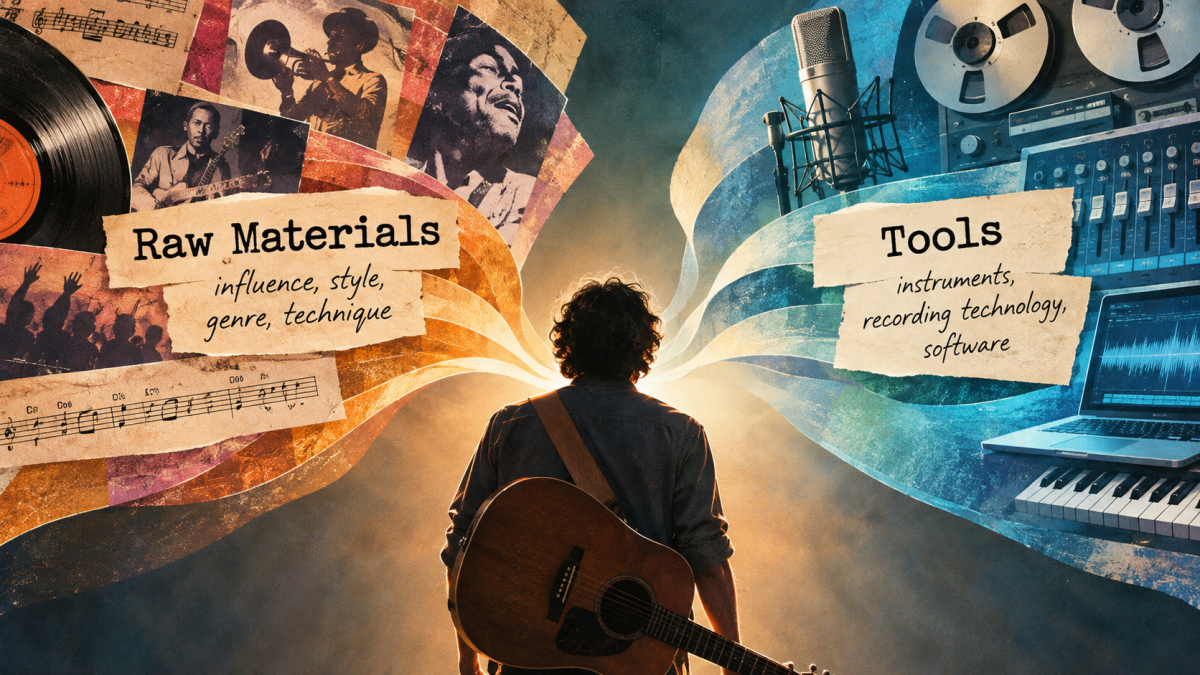
This creates an important tension for copyright. Artists understandably want to protect their compositions and performances from unauthorized copying. But influence, imitation, and recombination are also fundamental to how artists learn and create. There is a fine line between protecting expression and empowering it. If copyright reaches too far, we begin to wall off the raw materials of creativity.
That tension is one reason The New York Times litigation against OpenAI and Microsoft matters to me, and I think OpenAI and Microsoft have the stronger argument.
Enter the Machine
In the case, The New York Times and other plaintiffs argue that OpenAI and Microsoft used copyrighted works to train AI models without permission and that those uses are not protected by “fair use.”
Fair use is basically the part of copyright law that sometimes allows someone to use copyrighted material without permission. Courts look at several factors, including whether the new use serves a different, transformative purpose and whether it harms the market for the original work.
There are several questions in the case but the one I’m most interested in is whether training an AI model is more like reproducing protected expression or more like analyzing works to learn patterns and relationships for a different purpose.
Why the interest? Let’s return to the local club and our singer/songwriter: me.
I’ve spent decades learning from copyrighted works to develop my own style and music. I’ve absorbed patterns, techniques, phrasing, chord changes, and countless other influences. What comes out sounds like other artists, but it isn’t them. I’ve transformed their influences into something new.
Copyright law traditionally allows this. It protects an artist’s expression against copying, but does not protect their style, genre, or techniques against copying. I can’t appropriate James Taylor’s protected expression, but I can mimic or echo the way that James Taylor plays and sings.
But what about an AI model?
The Scale Problem
A model can analyze existing works to learn patterns and relationships then use those patterns to generate new expressions. Unlike me, however, it can do that at an enormous scale, producing a huge quantity of content with a much greater potential to compete with the works from which it learned.
That’s an important difference in scale, but does it change what belongs to copyright?
The Recording Industry Association of America (RIAA) says yes, that scale does matter. In their amicus brief in the case, they argue that these AI models aren’t merely analyzing music. They are built to generate new music that “serves a purpose akin to that of the original work.” And because they can generate enormous quantities of competing music, they can substitute for existing works and harm their markets.
In other words, the RIAA argues that because training enables a model to generate an enormous, competitive catalog of James-Taylor-like songs, training on James Taylor’s copyrighted works should not be treated as fair use.
Notice the shift in the market-harm argument. It’s not that the new songs necessarily copy James Taylor’s protected expression. It’s that they can compete with him because they draw on similar styles and influences.
Human creators do that constantly. We learn from existing culture, create new works in the same styles, and compete with the artists who influenced us. Copyright does not normally protect an artist from that kind of non-infringing competition.
AI changes the scale dramatically. But if scale turns competition from new, non-infringing works into copyright harm, we risk giving copyright owners indirect control over the styles, genres, techniques, and influences that individual creators have always been free to learn from.
Drawing the Copyright Line
That is why the Abundance Institute joined a different amicus brief, filed by the Chamber of Progress in support of OpenAI’s argument that using copyrighted works to train AI models can qualify as fair use.
The brief argues that learning from a work is different from reproducing it. As evidence, it looks to another court case, Authors Guild v. Google.
Google copied millions of books, but not so people could read those copies instead of buying the books. It used them to make the books searchable and to extract information from the text. The court found that use was transformative.
The Chamber argues that AI training can work in a similar way. The copyrighted works are not being used simply to republish their expression; they are being analyzed to identify patterns and relationships that help build a new tool.
That is the line we signed on to defend: protect the work without turning copyright into control over what future creators can learn from, or making the tools they create with unnecessarily harder to build.
More Tools, More Creators
The RIAA and other music-industry groups’ frame their argument around copyright’s purpose “to encourage humans to produce creative works for the public’s benefit.” But what actually helps people create? Is it just more copyright or something else?
Too often, we focus on protecting creators by maximizing their control over what they have already made. But creators are also trying to make what comes next. To do that they need at least two things: access to the raw materials of creativity (influences, styles, genres, techniques) and access to the tools that let them do something with those materials (instruments, recording technology, software).
We’ve explored the importance of the raw materials, but what about the tools?
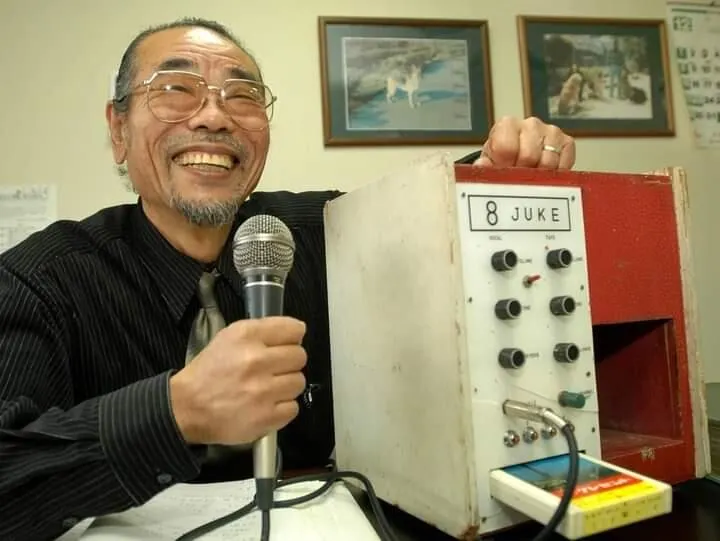
History repeatedly shows that making creative tools more accessible can widen creative participation. Magnetic tape allowed creators to build music at home. Even the karaoke machine, in automating accompaniment, transformed millions of passive listeners into active performers.
The tools also expand what each creator is capable of producing. Every week, I speak with artists who are using AI tools to grow creative possibilities. They experiment with music arrangements, separate stems for production, communicate ideas with human collaborators, and prototype projects they could not otherwise afford. In each case, these tools expand what a creator can do while retaining human judgment at the center of what gets made.
But the availability and capability of these new tools depend on the rules governing training. If developers must secure permission across enormous training datasets, the cost and difficulty of building new models and creative tools rises, especially for smaller entrants.
So if the goal is more creativity, protecting creators cannot mean only protecting what already exists. It also means preserving access to the raw materials and tools from which the next work will come.
Back to the Gig
Copyright protections may create incentives to produce new work. But extending those protections too far can also restrict the raw materials creators rely on and increase barriers to the tools they create with.
I’ve got another gig coming up, and I’m looking forward to the person who tells me who I sound like. And I hope that future creators have the same freedom: to absorb what came before, use the tools available to them, and make something new.
That is the creative future worth protecting.